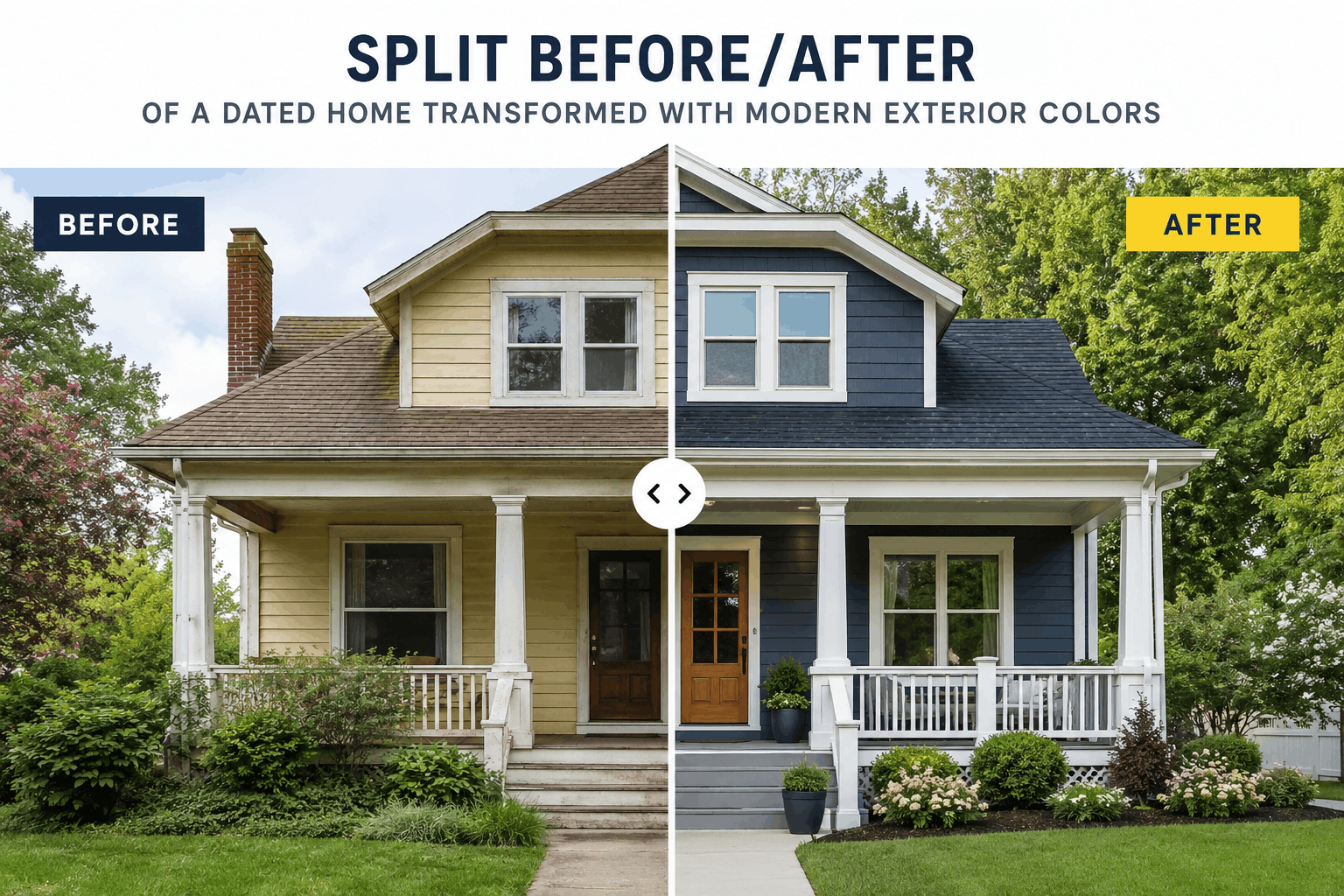
You pull into your driveway after a long day, maybe in Ankeny, Waukee, or a quiet Des Moines neighborhood, and something catches your eye. The siding that once made you proud now looks tired. What used to be a crisp, welcoming color seems faded, and you spot a patch of peeling paint near the gutter. That little voice in your head wonders, “Is it time to repaint?”
If that scenario feels familiar, you’re not alone. Iowa’s climate is brutal on home exteriors. From freezing winters and spring downpours to the intense summer sun and stifling humidity, your paint job endures a lot. A high-quality exterior paint job isn’t just about looks; it’s your home’s first line of defense against moisture, rot, and structural damage.
At Budget Pro Painters, we’ve helped hundreds of homeowners across the Des Moines metro protect and beautify their properties without breaking the bank. In this guide, we’ll walk you through the 5 telltale signs it’s time to repaint your home’s exterior, plus actionable advice to avoid the most common (and costly) mistakes homeowners make. By the end, you’ll know exactly what to look for, how to plan your project wisely, and how to get the durable, stunning finish your home deserves.
Why Exterior Painting Matters in Central Iowa
Let’s be honest: painting your home’s exterior isn’t the most exciting home improvement project at first glance. But here in Central Iowa, it’s one of the smartest investments you can make. Our unique weather patterns create a perfect storm for paint failure.
Think about it:
- Freeze-thaw cycles force moisture into tiny cracks, then expand when temperatures drop, causing paint to crack and peel.
- Heavy spring rains and humidity encourage mold and mildew growth on siding.
- UV rays beat down on south-facing walls, fading color and breaking down paint binders.
- Snow and ice sit against the foundation and lower siding for weeks, inviting rot.
When your exterior paint starts to fail, moisture gets behind it. Over time, that leads to wood rot, warped siding, and even interior water damage. A timely repaint seals out the elements and saves you from expensive structural repairs down the road.
The Payoff of Proactive Painting
- Protection: Quality paint stops moisture intrusion and prevents decay.
- Energy efficiency: Properly sealed exteriors can even improve insulation, helping with heating and cooling costs.
- Home value boost: In competitive markets like Urbandale, West Des Moines, and Altoona, fresh paint can add thousands to your home’s perceived value.
- Curb appeal: Whether you’re selling or staying, you want to love pulling up to your home every day.
Industry Insight: In Midwest climates, a professional exterior paint job typically lasts 8 to 12 years, depending on surface preparation, paint quality, and exposure. If your home is approaching that window, or showing any of the following signs, it’s time to act.
The 5 Signs It’s Time to Repaint
Not sure if you can squeeze another year out of your current paint? Walk around your house with a critical eye. Here’s what separates normal aging from a genuine call to action.
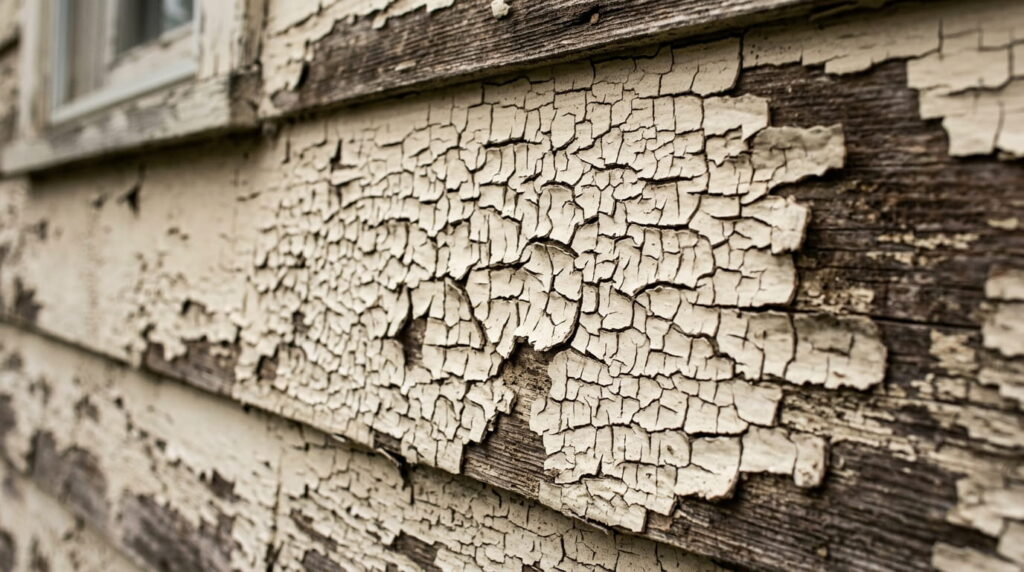
Sign 1: Peeling, Cracking, or Flaking Paint
This is the most obvious red flag, and for good reason. Paint that’s peeling away from the surface has already failed at its job.
What to look for:
- Sections of paint curling away from wood siding or trim.
- “Alligatoring” – a pattern of deep cracks resembling reptile skin.
- Flaking paint chips collecting on the ground near exterior walls.
Why it happens: In Iowa’s moisture-rich environment, water gets behind the paint film. The wood underneath swells, then shrinks as it dries, breaking the paint’s bond. Once peeling starts, it spreads quickly.
Risks if ignored: Exposed wood is a magnet for rot and insects. What starts as a cosmetic issue can turn into costly fascia board or siding replacement. Water that travels behind the paint can also damage sheathing and insulation.
Quick self-check: Gently scrape a peeling area with a fingernail or a dull tool. If paint lifts easily in large pieces, the adhesion is compromised. The fix isn’t spot-touching; it’s a full, properly prepared repaint.
Sign 2: Fading or Chalking (Powdery Residue)
Fading is more than just a loss of vibrancy. It signals that the paint’s protective top layer is breaking down.
What to look for:
- Noticeable color difference between sun-exposed walls and shaded areas.
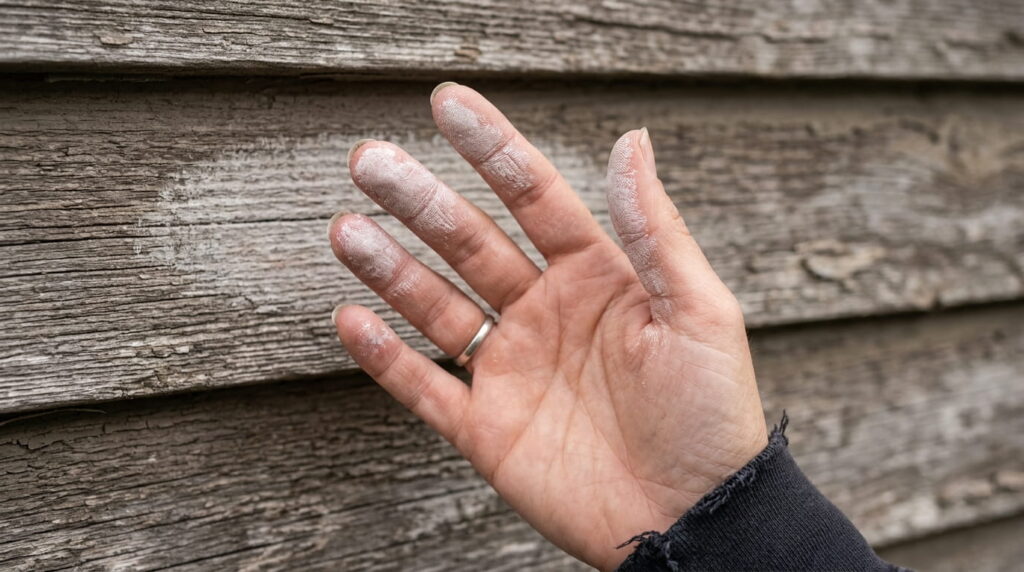
- A chalky, powdery film that comes off when you run your hand across the siding.
- Paint that looks dull and washed out even after cleaning.
Why it happens: UV radiation degrades the binder (the glue that holds pigment together). Over time, pigment particles are released, forming that white-ish dust called “chalking.” While some chalking is normal in older paint, excessive chalking means the film is no longer intact.
Risks if ignored: Chalking leaves the underlying material unprotected. It can stain brick, stone, or surrounding landscaping. When it rains, chalky residue can streak down walls, giving your home a permanently dirty appearance. More importantly, the paint is no longer effectively shedding water.
Quick self-check: Rub your hand over a faded area. If you see a heavy white powder on your palm, your paint has significantly degraded. Time to consider a fresh, UV-resistant coating.
Sign 3: Visible Stains, Mold, or Mildew Growth
Dark spots, greenish-black streaks, or fuzzy patches aren’t just unsightly; they’re an indication that moisture is hanging around longer than it should.
What to look for:
- Black or dark brown spots, often on north-facing walls or under eaves.
- Greenish mold or mildew on siding, especially in shaded, damp areas.
- Rust-colored stains around nail heads or metal fixtures.
Why it happens: High humidity, poor ventilation, and failing paint create a breeding ground for mold and algae. When paint no longer repels water effectively, organic growth can take hold right on the surface or even behind it.
Risks if ignored: Mold and mildew can degrade wood fibers and cause rot. They also affect your home’s air quality if they spread indoors. Stains can become deeply embedded, requiring more intensive prep work down the line.
Quick self-check: Take a walk around your home early in the morning when dew is present. Pay attention to any persistently damp areas that don’t dry out during the day. A simple cleaning might remove surface growth, but if stains return quickly or have been there for a while, the protective coating is compromised.
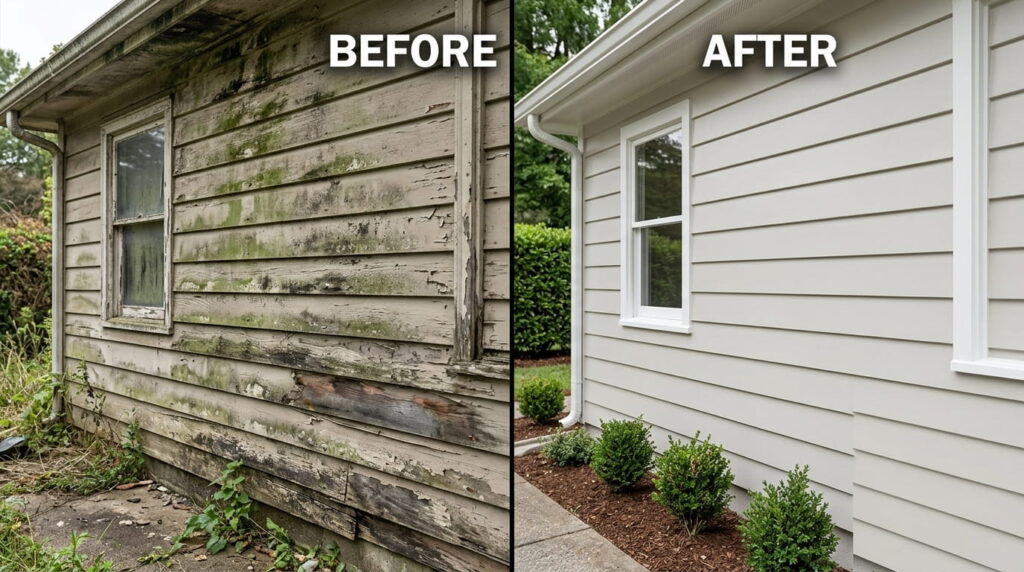
Sign 4: Wood Rot, Cracks in Siding, or Damaged Trim
This sign goes beyond paint and moves into the structural realm, but the two are closely linked. Damaged, rotting wood is often a consequence of failed paint, and repainting without addressing it is a huge mistake.
What to look for:
- Soft, spongy spots on wood siding, window sills, or door frames.
- Visible cracks, splits, or warped boards.
- Caulking that is cracked, missing, or pulling away from joints.
- Trim pieces that feel loose or sound hollow when tapped.
Why it happens: Once water penetrates past the paint layer, wood becomes susceptible to rot fungi. Joints and seams are especially vulnerable. As wood swells and contracts with moisture, caulk fails, allowing even more water intrusion.
Risks if ignored: Rot spreads, sometimes silently behind the surface. You might need to replace entire sections of siding, trim, or even structural framing. Ignored rot can eventually lead to pest infestations (carpenter ants and termites love damp wood) and compromised wall integrity.
Quick self-check: Use a screwdriver to gently probe suspect areas. If the wood feels soft, it’s time to call a professional. Repainting over rotting wood is like putting a bandage on an infected wound.
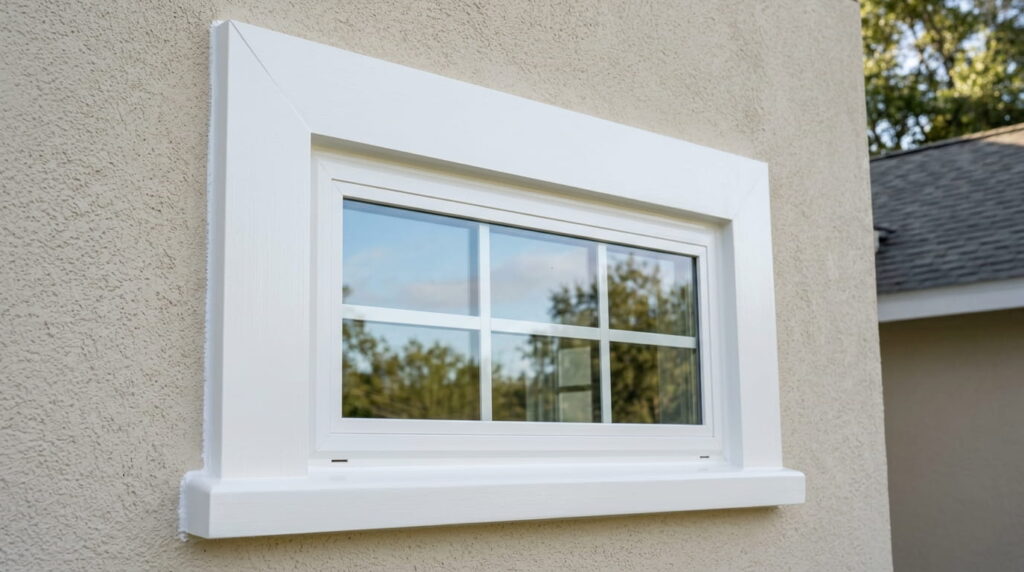
Sign 5: Your Home Looks Dated or You’re Planning to Sell
Sometimes the signs aren’t about damage; they’re about value and personal pride. If you’re tired of your home’s color, or you’re preparing to list it on the market, fresh exterior paint offers one of the highest returns on investment.
What to look for:
- Your home’s color scheme feels stuck in the 1990s or early 2000s.
- You’re seeing more modern, refreshed homes pop up in your neighborhood.
- You plan to sell within the next 12–18 months.
Why it matters: Curb appeal is the first thing buyers notice. A dated or worn exterior can lower offers or cause a property to sit on the market longer. In a competitive Des Moines-area market, new paint instantly signals a well-maintained home.
Risks if ignored: You might be leaving money on the table. Buyers may subconsciously factor in the “cost to repaint” when making an offer, often inflating that number in their heads. Even if you’re not selling, living with an exterior you dislike chips away at your enjoyment of your home.
Quick self-check: Drive around your neighborhood and note which exteriors catch your eye. Be honest: does your home hold up? If you wouldn’t pick that color today, it might be time for a modern update.
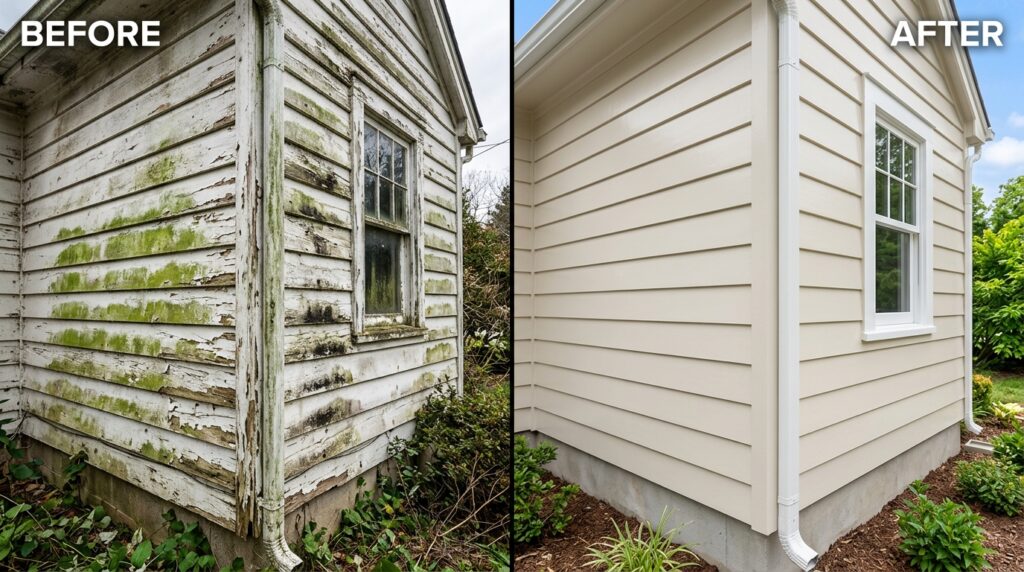
How to Avoid Costly Mistakes When Repainting
Recognizing the signs is step one. Step two is making sure your repainting project doesn’t turn into a headache. Too many homeowners in Central Iowa end up paying twice because of avoidable errors. Here’s what you need to know.
Mistake 1: Skipping Proper Surface Preparation
The problem: A new coat of paint over poorly prepped surfaces will fail fast. Dirt, loose paint, mildew, and glossy patches prevent adhesion.
How to get it right:
- Surfaces must be power washed to remove chalk, grime, and mildew.
- All loose, peeling paint must be scraped, sanded, and feathered so the new layer bonds smoothly.
- Bare wood needs a quality primer to seal the surface and improve topcoat adhesion.
- Problem areas like heavy mildew should be treated with a bleach-and-water solution, then rinsed.
Professional preparation makes all the difference between a 3-year paint job and a 10–12-year one.
Mistake 2: Choosing the Wrong Paint or Colors
The problem: Bargain-bin paint can’t handle Iowa’s seasonal swings. Dark colors on full-sun walls can overheat and blister if not formulated correctly. The wrong sheen can highlight imperfections.
How to get it right:
- Select 100% acrylic latex paint designed for exterior use. It expands and contracts with the weather, resists fading, and allows moisture to escape.
- For Iowa, look for brands with advanced UV protection and mildew-resistant formulas.
- When choosing colors, test samples in different lighting conditions. Rich earth tones, warm neutrals, and classic whites all perform beautifully in Des Moines neighborhoods.
- Don’t forget: trim, gutters, soffits, and garage doors should harmonize with the main color for a cohesive look.
A quality paint supplier can guide you, but a professional painter will bring years of local experience to the table.
Mistake 3: Hiring the Cheapest (Unlicensed/Uninsured) Contractor
The problem: A lowball bid might skip preparation, use watered-down paint, or rush the job. Worse, if a worker gets hurt on your property or damage occurs, you could be liable.
How to get it right:
- Verify that your painting contractor is licensed and insured in Iowa.
- Check reviews on Google, Facebook, and the Better Business Bureau.
- Ask for a written estimate that details prep work, paint brand, number of coats, and clean-up.
- Choose a company that offers a workmanship warranty – it signals they stand behind their work.
At Budget Pro Painters, we’re proud of our reputation across the Des Moines metro. We use only premium materials, thorough prep, and never cut corners.
Mistake 4: Painting at the Wrong Time of Year
The problem: Paint applied in temperatures that are too cold, too hot, or during high humidity won’t cure properly, leading to early failure.
How to get it right:
The sweet spot for exterior painting in Central Iowa is late spring through early fall, typically May to early October. Ideal conditions:
- Air and surface temperatures between 50°F and 85°F.
- Low to moderate humidity.
- No rain expected for at least 24 hours after application.
Professional painters monitor forecasts closely and schedule around weather windows. Don’t push for a November paint job if you want longevity.
Mistake 5: Underestimating the Full Scope
The problem: You focus on siding but ignore soffits, fascia, window trim, doors, and shutters. A partial paint job leaves your home looking unfinished and leaves vulnerable areas unprotected.
How to get it right:
- Walk around and make a list of everything that should be painted or at least evaluated:
- Body siding
- Trim boards
- Window and door frames
- Soffit and fascia
- Gutters (can often be painted)
- Front door and garage door
- Porch ceilings and columns
- Budget for a comprehensive job. It’s more cost-effective to do everything at once than piecemeal.
Bonus tips for a flawless outcome:
- Power washing: Hire a pro or use a gentle fan tip. Too much pressure can gouge wood and force water behind siding. Allow ample drying time.
- Color selection: Think about your roof color, stonework, and landscape. Use online visualizer tools or ask your painter for a color consultation.
- Warranties and contracts: Ensure you have a clear, written contract with scope, timeline, payment schedule, and warranty details.
- Budget planning: In the Des Moines area, a quality exterior paint job for a typical single-family home can range from $4,000 to $10,000+, depending on size, prep needs, and paint grade. This investment pays for itself in protection and value.
Real-Life Transformation: A Des Moines Case Study
Last summer, we were called to a home in the Beaverdale neighborhood that perfectly illustrates the power of a timely repaint.
The situation: A 1998 two-story home with original hardboard siding. The owners had noticed flaking paint on the south-facing wall and some dark mildew streaks on the shaded north side. They were planning to sell in the spring but worried about the appearance and potential inspection flags.
What we found: Significant chalking, multiple areas of failing paint, and the start of wood rot on two windowsills. The siding was structurally sound, but the protective coating was gone.
Our approach:
- Thorough power wash and mildew treatment.
- Scraped, sanded, and primed all peeling areas.
- Replaced the rotted window sill sections and sealed all joints with premium caulk.
- Applied two coats of high-grade acrylic latex paint in a modern, neutral greige with crisp white trim and a bold navy front door.
The results: The transformation was dramatic. The home went from tired and neglected to a standout on the block, all completed within a working week and comfortably under their budget of $7,500. The owners received an offer above asking price just days after listing, with buyers specifically mentioning the “flawless exterior.” Fresh paint didn’t just fix a problem; it became a selling feature.
Frequently Asked Questions About Exterior House Painting in Iowa
How often should you repaint the exterior of a house in Iowa?
In Central Iowa’s climate, expect to repaint every 8 to 12 years with high-quality materials and proper prep. Stained wood siding may need reapplication sooner, while fiber cement or brick with paint may last longer. Regular inspections help catch early issues.
What is the best time of year to paint a house exterior in Des Moines?
Late spring (May) to early fall (October) offers the most reliable painting conditions. Aim for days with moderate temperatures and humidity, and always keep an eye on rain forecasts. Professional crews adjust schedules accordingly.
How much does exterior painting cost in the Des Moines area?
Costs vary based on home size, number of stories, paint quality, and amount of prep work. A typical 1,500–2,500 sq. ft. home in Ankeny or West Des Moines can range from $4,500 to $9,000. Extensive repairs or premium finishes may push the price higher. Always get a detailed on-site estimate.
Can I just repaint the peeling parts, or do I need a full repaint?
Spot-painting can be a short-term fix for very isolated, minor peeling, but it’s rarely a long-term solution. Once the original coating fails in multiple areas, a full, uniform repaint with proper preparation is the only way to protect your home evenly and avoid a patchy look.
Does a fresh exterior paint job really increase home value?
Absolutely. Nationally, exterior painting offers one of the highest returns on investment for home improvement projects. In Des Moines’ competitive housing market, crisp curb appeal can boost perceived value and speed up the sale. Even if you’re not selling, you’re protecting your asset.
Let’s Protect and Transform Your Home
If you’ve spotted any of these signs around your house – peeling paint, chalky residue, stubborn stains, or simply a dated look, don’t wait until minor wear turns into a major repair bill. A professional exterior paint job is an investment that pays dividends in protection, beauty, and peace of mind.
At Budget Pro Painters, we’re committed to giving Des Moines-area homeowners honest assessments, premium materials, and flawless execution. We serve the entire metro, from Ankeny and Waukee to Urbandale, West Des Moines, Altoona, and beyond. We believe top-quality painting should be accessible and budget-friendly, and our track record proves it.
Here’s your next step: Schedule a free exterior painting evaluation. We’ll walk your property with you, discuss your goals, and deliver a transparent, no-pressure estimate. There’s no obligation, just expert advice you can trust.
Get Your Free Estimate Now
Or call us directly at (515) 505-6429. Let’s bring your home back to life.
