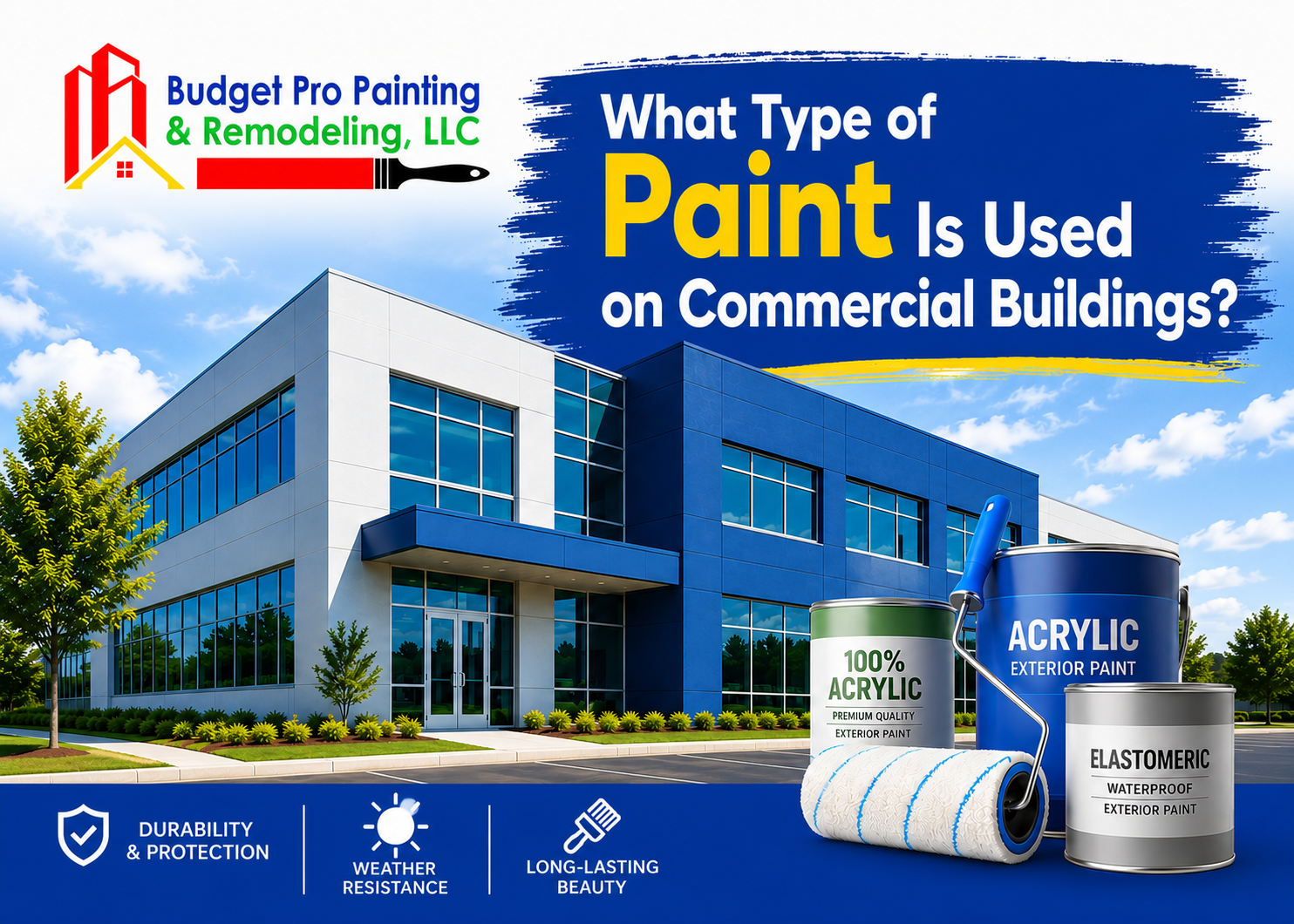
Choosing the right paint for a commercial building is important for appearance, durability, and long-term maintenance. Commercial buildings face heavy weather exposure, sunlight, pollution, moisture, and daily wear. Because of this, regular residential paint is often not enough.
Many business owners, property managers, and facility operators ask the same question: what type of paint is used on commercial buildings? The answer depends on the building material, location, climate, and the purpose of the space.
Commercial painting projects usually require high-performance coatings that can last for years while protecting the building surface. Different types of paints are used for exterior walls, interior spaces, warehouses, offices, retail stores, and industrial buildings.
In this guide, you will learn about the most common commercial paints, where they are used, and how to choose the best option for your property.
Why Commercial Buildings Need Specialized Paint
Commercial buildings are very different from residential homes. They are larger, experience more traffic, and are exposed to tougher environmental conditions. Commercial paint must provide:
- Long-lasting durability
- Resistance to weather and UV rays
- Protection from moisture and mold
- Easy maintenance and cleaning
- Professional appearance
- Strong adhesion to different surfaces
A high-quality commercial coating also helps reduce maintenance costs and extends the life of the building materials.
Acrylic Paint for Commercial Buildings
Acrylic paint is one of the most commonly used paints for commercial properties. It is water-based, durable, and flexible, making it ideal for many exterior and interior applications.
Benefits of Acrylic Paint
- Excellent weather resistance
- UV protection
- Fast drying time
- Easy cleanup
- Flexible coating that resists cracking
- Good color retention
Acrylic paint works well on surfaces such as:
- Concrete
- Stucco
- Brick
- Metal
- Wood siding
Because of its flexibility and durability, acrylic paint is widely used on office buildings, shopping centers, schools, and apartment complexes.
Elastomeric Paint for Exterior Commercial Walls
Elastomeric paint is a thick, waterproof coating designed mainly for exterior masonry surfaces. It is especially useful for buildings exposed to heavy rain or changing temperatures.
Advantages of Elastomeric Paint
- Waterproof protection
- Covers small cracks
- Strong flexibility
- Excellent durability
- Protection against moisture intrusion
This type of coating is commonly applied to:
- Stucco buildings
- Concrete block walls
- Brick exteriors
Commercial properties in humid or rainy climates often use elastomeric coatings because they provide superior moisture resistance.
Epoxy Paint for Industrial and Commercial Spaces
Epoxy paint is a highly durable coating commonly used in industrial and commercial environments. It creates a hard protective surface that resists chemicals, stains, and heavy traffic.
Where Epoxy Paint Is Used
- Warehouse floors
- Manufacturing facilities
- Parking garages
- Commercial kitchens
- Hospitals
- Factories
Benefits of Epoxy Paint
- Chemical resistance
- Heavy-duty durability
- Easy to clean
- Resistant to abrasion
- Long-lasting finish
Epoxy coatings are ideal for spaces where durability and safety are critical.
Polyurethane Coatings for High-Traffic Areas
Polyurethane paint is another strong commercial coating used for surfaces exposed to constant wear. It is often applied over epoxy coatings for added protection.
Benefits of Polyurethane Paint
- High impact resistance
- Scratch resistance
- UV stability
- Gloss retention
- Long lifespan
This type of paint is commonly used in:
- Commercial floors
- Metal structures
- High-traffic facilities
- Automotive facilities
Polyurethane coatings provide a smooth and professional appearance while protecting surfaces from damage.
Oil-Based Paint for Commercial Buildings
Although water-based paints are more common today, oil-based paint is still used in some commercial applications.
Advantages of Oil-Based Paint
- Strong adhesion
- Durable finish
- Smooth surface appearance
- Good stain resistance
Oil-based coatings are often used on:
- Metal railings
- Doors
- Trim
- Machinery
- Industrial equipment
However, oil-based paints take longer to dry and produce stronger odors than water-based alternatives.
Latex Paint for Interior Commercial Spaces
Latex paint is one of the most popular options for commercial interiors because it is affordable, easy to apply, and dries quickly.
Common Areas for Latex Paint
- Offices
- Retail stores
- Hotels
- Schools
- Medical buildings
Benefits of Latex Paint
- Low odor
- Easy cleanup
- Fast drying
- Flexible finish
- Environmentally friendly
Commercial interior painters often use high-quality latex paints to achieve smooth finishes and reduce downtime during renovations.
Anti-Graffiti Coatings for Commercial Buildings
Buildings located in busy urban areas may use anti-graffiti coatings to protect exterior surfaces from vandalism.
These coatings create a protective barrier that allows graffiti to be removed easily without damaging the underlying paint.
Benefits of Anti-Graffiti Paint
- Easier maintenance
- Reduced cleaning costs
- Improved building appearance
- Long-term surface protection
Retail centers, schools, and public buildings commonly use these protective coatings.
Fire-Resistant Paint for Commercial Safety
Some commercial buildings require fire-resistant coatings to meet safety regulations. These paints help slow the spread of flames and provide additional protection during emergencies.
Common Uses of Fire-Resistant Paint
- Steel structures
- Industrial buildings
- Warehouses
- Public facilities
Fire-resistant coatings are often part of commercial building code requirements.
Choosing the Right Paint for Commercial Exteriors
Exterior commercial paint must handle constant exposure to weather, sunlight, and pollution. Several factors affect paint selection.
Climate Conditions
Buildings in hot climates need UV-resistant coatings, while properties in wet areas need waterproof protection.
Building Material
Different surfaces require different paint systems:
- Concrete often uses acrylic or elastomeric paint
- Metal surfaces may require epoxy or oil-based coatings
- Wood surfaces usually use acrylic latex paint
Durability Requirements
High-traffic commercial properties need coatings that resist wear, fading, and moisture damage.
Appearance Goals
The paint color and finish should match the company’s branding and professional image.
Best Paint Finishes for Commercial Buildings
Paint finish affects durability and appearance. Commercial painters choose finishes based on the building’s function.
Flat Finish
- Hides imperfections
- Low shine
- Common in ceilings and low-traffic areas
Eggshell Finish
- Slight sheen
- Easy to clean
- Common in offices and commercial interiors
Satin Finish
- Smooth appearance
- Good durability
- Suitable for hallways and public areas
Semi-Gloss Finish
- Moisture resistant
- Easy to clean
- Used for trim, doors, and kitchens
Gloss Finish
- Highly reflective
- Very durable
- Common for metal surfaces and specialty applications
Importance of Surface Preparation
Even the best commercial paint will fail without proper preparation. Surface prep is one of the most important parts of any commercial painting project.
Common Surface Preparation Steps
- Pressure washing
- Removing old paint
- Sanding rough areas
- Repairing cracks
- Priming surfaces
- Cleaning dirt and grease
Professional commercial painters spend significant time preparing surfaces to ensure long-lasting results.
How Long Does Commercial Paint Last?
The lifespan of commercial paint depends on several factors, including climate, surface type, paint quality, and maintenance.
Average Lifespan of Commercial Paint
- Exterior acrylic paint: 5–10 years
- Elastomeric coatings: 10–20 years
- Epoxy floor coatings: 5–10 years
- Interior commercial paint: 3–7 years
Regular maintenance and inspections can help extend paint life.
Eco-Friendly Paint Options for Commercial Buildings
Many businesses now choose environmentally friendly paints with low VOC (volatile organic compounds).
Benefits of Low-VOC Paint
- Better indoor air quality
- Reduced odor
- Safer for employees and customers
- Environmentally responsible
Low-VOC commercial paints are commonly used in offices, healthcare facilities, schools, and retail environments.
Common Commercial Painting Mistakes to Avoid
Property owners sometimes choose the wrong paint system or skip important preparation steps.
Mistakes That Reduce Paint Lifespan
- Using residential paint on commercial buildings
- Skipping primer
- Poor surface cleaning
- Choosing low-quality paint
- Ignoring weather conditions during application
Hiring experienced commercial painters helps prevent these costly issues.
How Professional Commercial Painters Help
Commercial painting projects require specialized tools, safety procedures, and product knowledge. Professional painters understand which coatings perform best for different surfaces and environments.
Experienced contractors also help with:
- Surface inspections
- Paint selection
- Color consultation
- Safety compliance
- Project scheduling
- Long-term maintenance planning
Companies like Budget Pro Painters, LLC understand the importance of using the right commercial coatings for durability, protection, and professional appearance.
To Summarize
So, what type of paint is used on commercial buildings? The answer depends on the building’s structure, environment, and performance needs. Acrylic, elastomeric, epoxy, polyurethane, latex, and specialty coatings all play important roles in commercial painting.
Choosing the right paint helps protect the building, improve appearance, reduce maintenance costs, and extend the life of surfaces. Commercial buildings need high-performance coatings that can withstand weather, heavy use, and environmental stress.
Whether you own an office building, retail center, warehouse, or industrial property, investing in quality commercial paint and professional application is essential for long-term value and protection.